The Crimson
Meridian
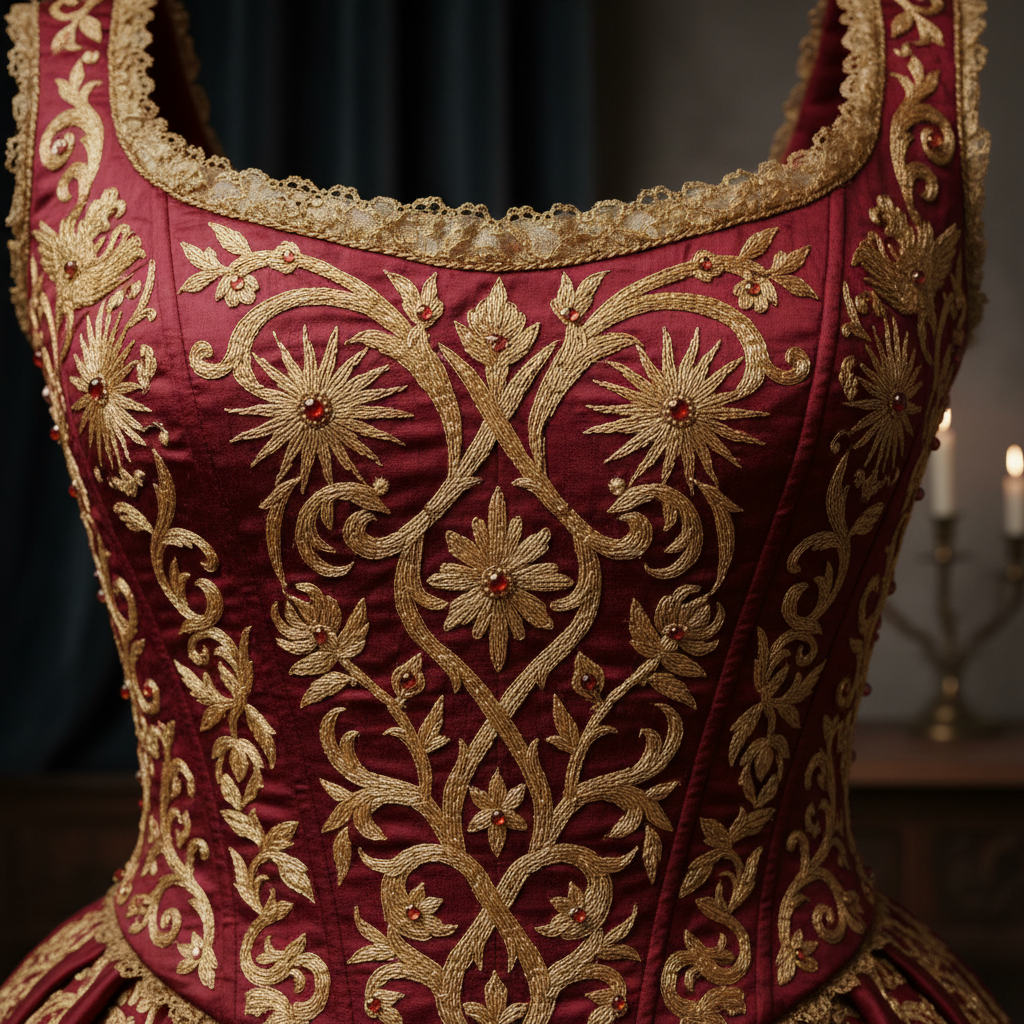
Daguerreotype sourcing — 340 archival images from 1847–1863 cross-referenced against military records
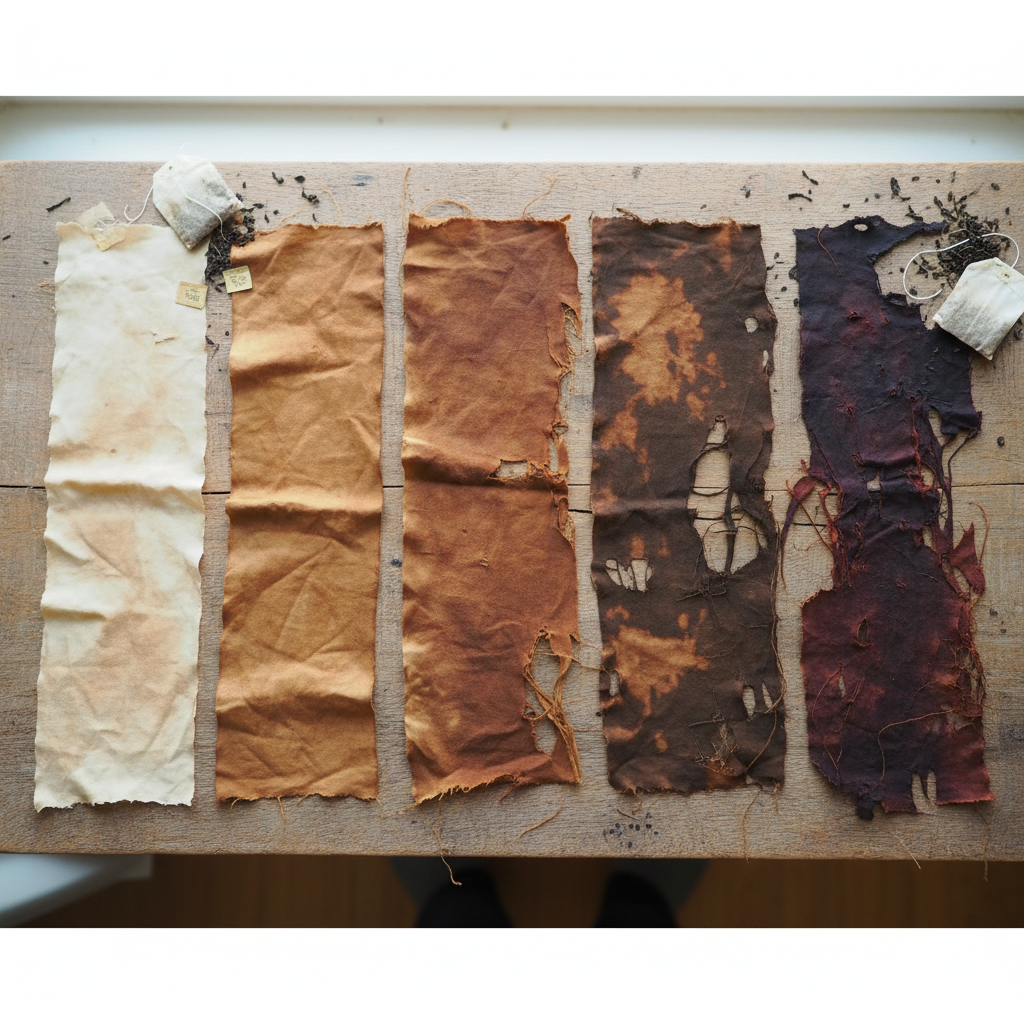
Silk procurement from three Lyon houses; hand-dyed in tannic acid baths to achieve period-accurate muting
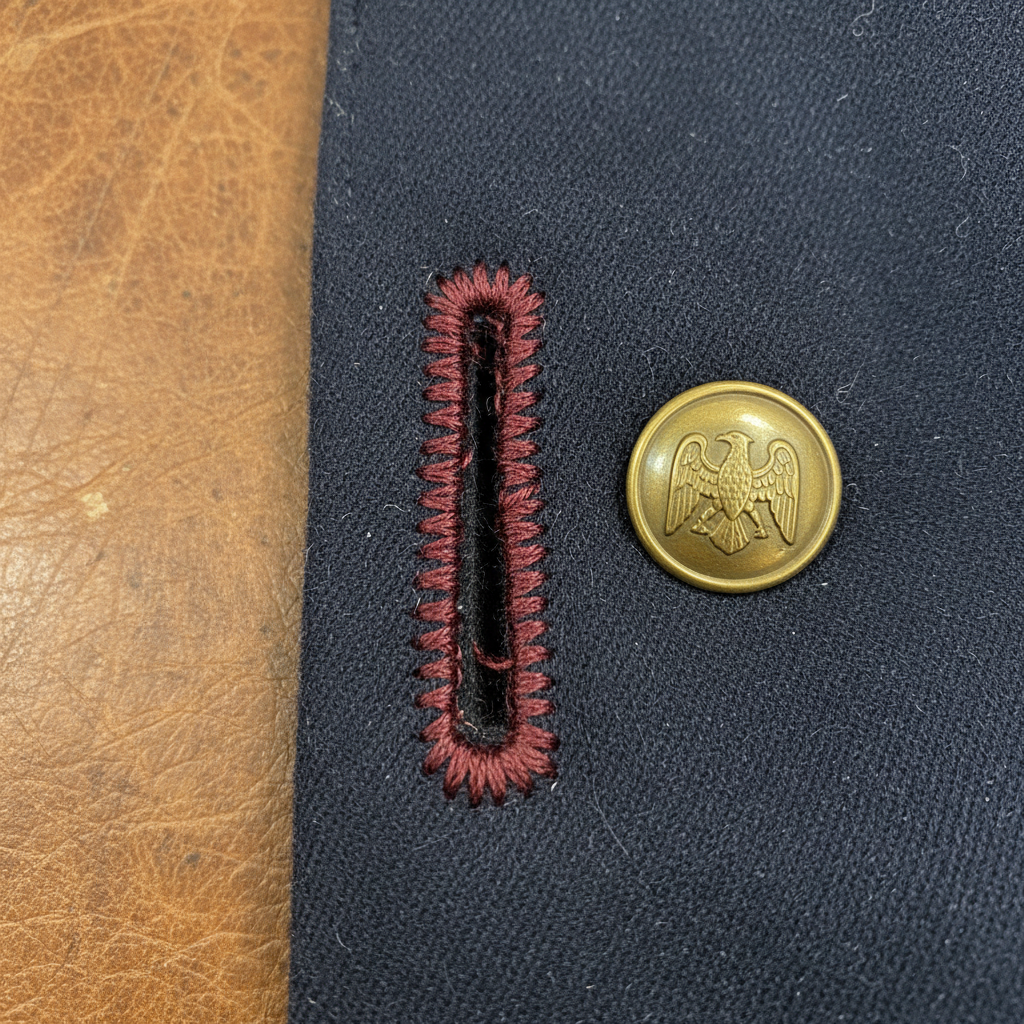
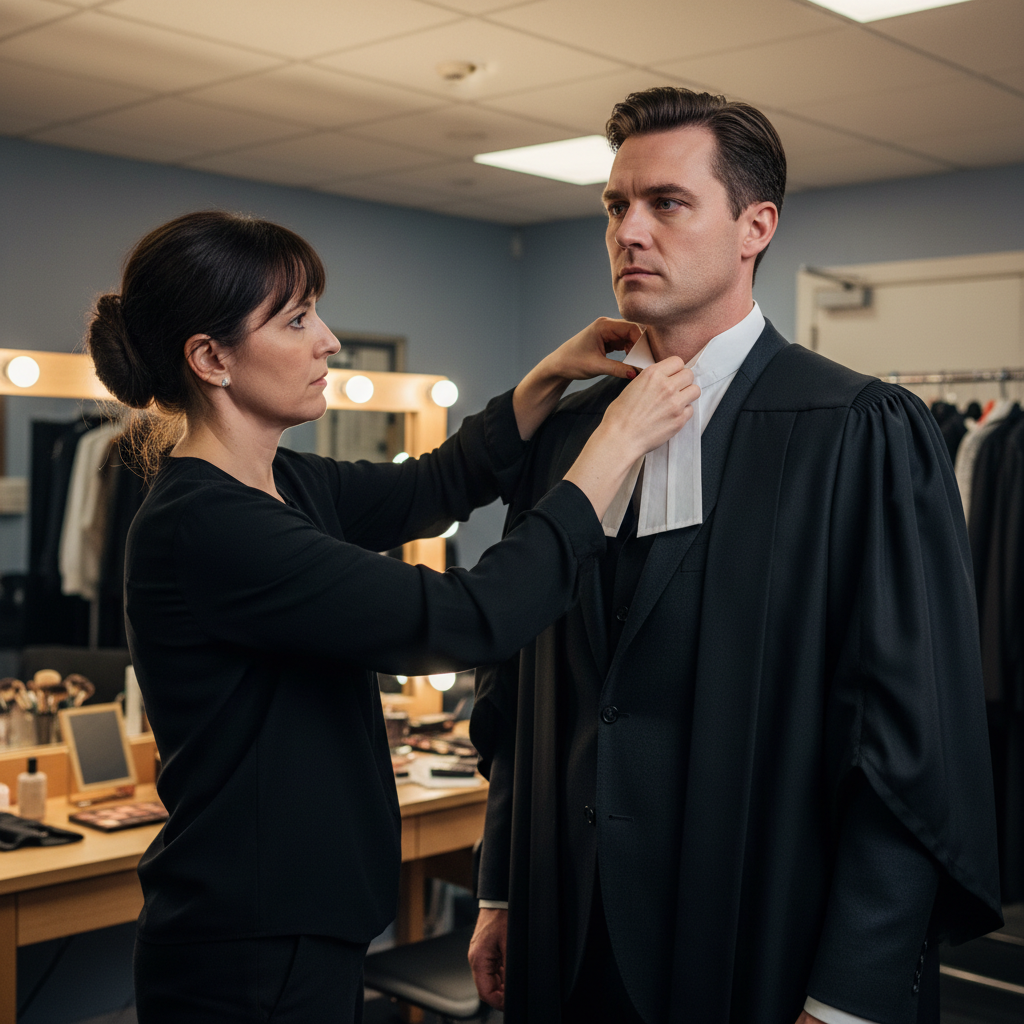
Military jackets rebuilt seam-by-seam; 14 fittings per principal to make each collar fall exactly wrong
Eleanor doesn't dress characters. She excavates them.
Gilded
Ruin
Period accuracy at 1890s Gilded Age New York — cross-referenced 400+ period photographs from the Museum of the City of New York
Twelve distinct social strata each given a coded color language invisible to casual viewing, legible to camera
Hand-beaded evening wear — 3 craftswomen, 6 weeks per gown, 40,000 individual seed beads
The costumes told the story before a word was spoken. We cast the show's tone before we cast the actors.
The
Sovereign
Yards
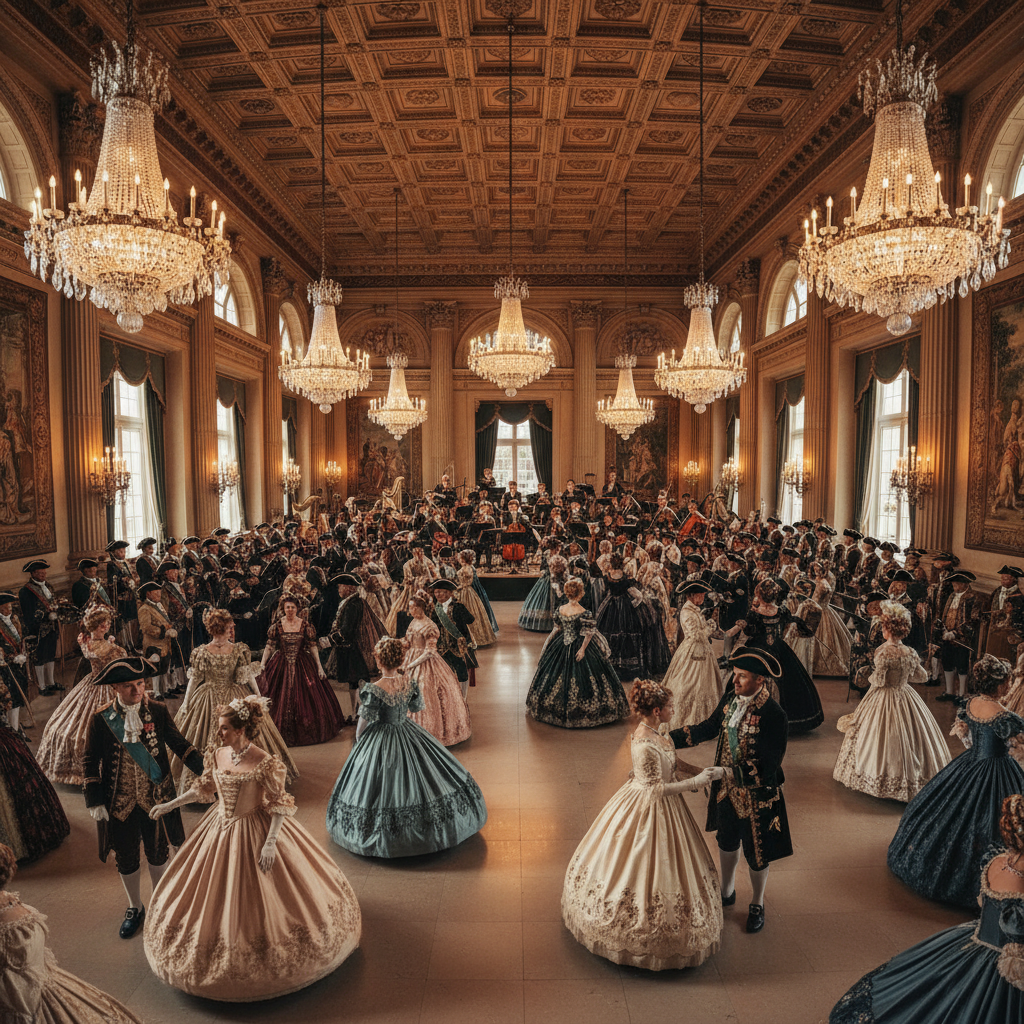
847 individual costumes for a 200-day shoot; 4 countries of textile sourcing; 3 master tailors from London, Paris, and Kyoto
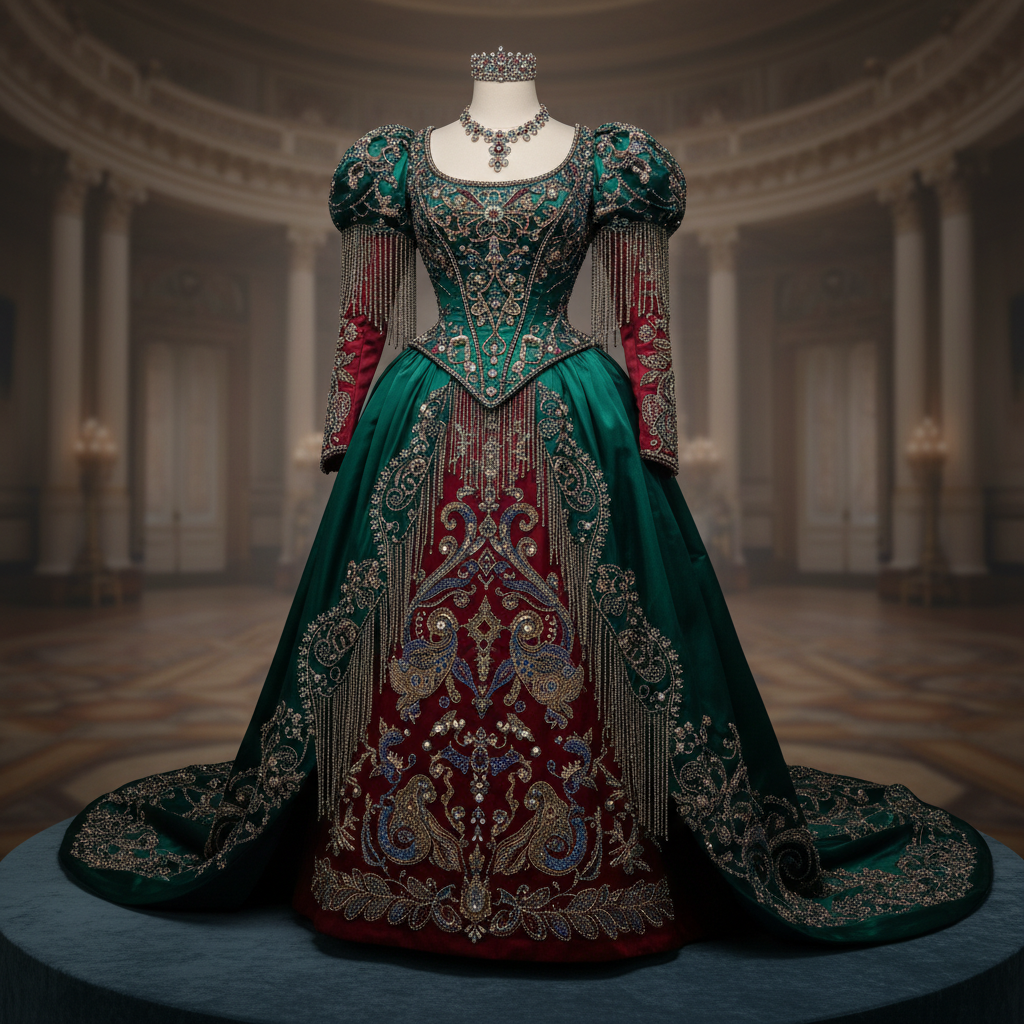
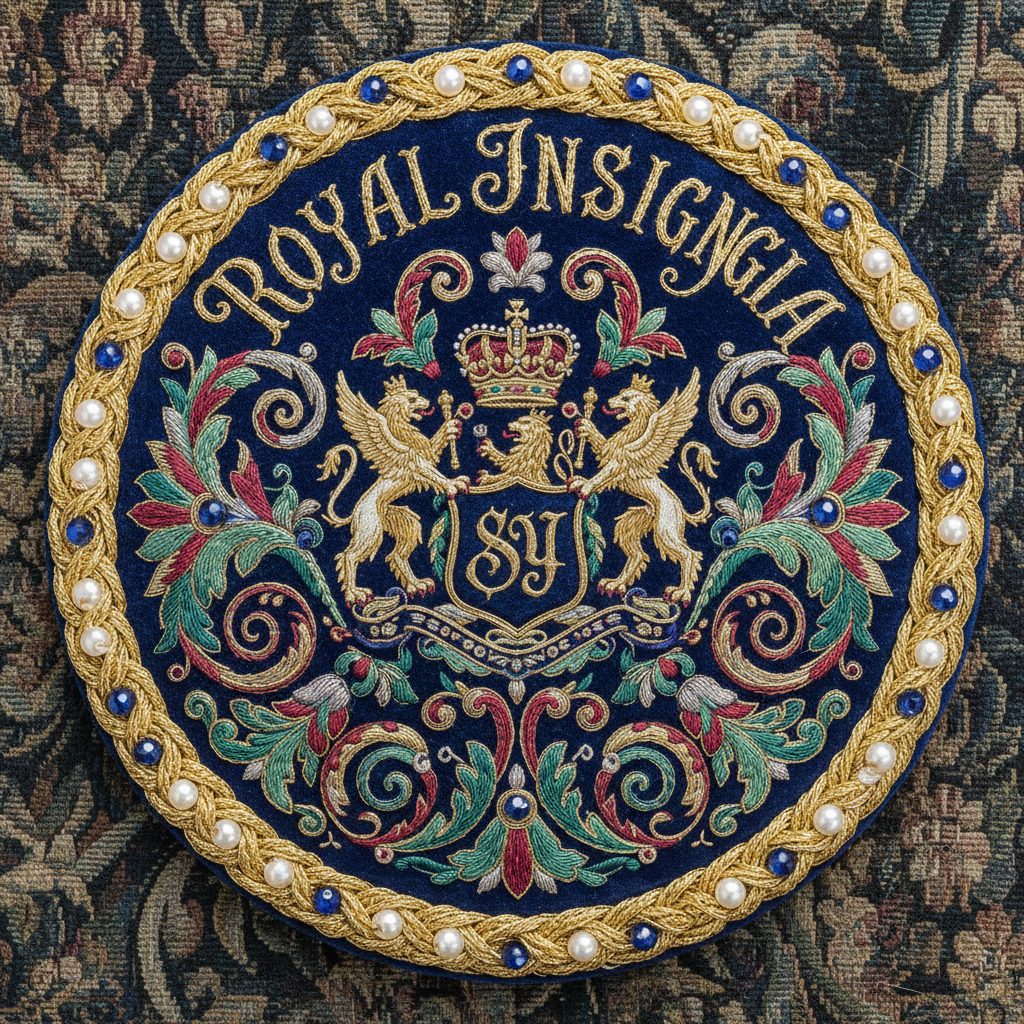
Royal court dress rebuilt from 11 surviving garments in the V&A archive; every seam placement authenticated against oil portraits
Invisible aging system — every principal costume carries 3 distinct wear states, each requiring separate construction
I've worked with every major costume designer in this industry. Eleanor is the only one I call when the film depends on it.
The Work
That
Disappears
"The best costume design is the kind no one consciously sees. The audience should be unable to imagine the characters wearing anything else. That is the entire ambition."
The Research
Every production begins with 6 to 8 weeks of pure research before a single sketch is drawn. Daguerreotypes. Estate inventories. Dressmaker's account books. The dress a woman wore to a funeral in 1849 tells you everything about what she owned, what she valued, and what she was willing to spend on grief.
The Fabrication
We source globally and fabricate locally. Silks from Lyon, wool from Yorkshire, cotton from Oaxaca — then dyed, aged, and distressed in our Los Angeles workroom by a team of 12 craftspeople who have each spent decades doing exactly this and nothing else.
The Fitting
A costume is not finished until it has been worn. The fourteenth fitting is not a failure — it is where the garment learns the body. The collar that falls exactly wrong is the collar that reads exactly right on camera. This is the work that disappears.
The Invisibility
The highest compliment a costume designer can receive is that no one mentions the costumes. When the work is right, the audience sees only the character. The clothes become skin. The history becomes present. The fiction becomes memory.